hello@sofrik.com

Web Hosting Security Services: 6 Features You Should Never Skip

sofrik
16 October 2025


When choosing a hosting plan for your website, most people focus on speed, uptime, and pricing — but there’s one factor that often gets overlooked: security. In today’s digital landscape, where cyber threats evolve daily, selecting the right web hosting services can make or break your website’s safety and credibility.
A reliable web hosting services company doesn’t just keep your website online; it protects your data, your users, and your reputation. Let’s explore the essential security features every website owner should look for before finalizing a hosting plan.
A reliable web hosting services company acts as your first line of defense by preventing breaches, minimizing downtime, and safeguarding sensitive information.
Let’s break down the essential security features every website owner should evaluate before selecting a hosting provider.
Why Security Matters in Web Hosting?
Every website is a potential target, regardless of traffic size or industry. Cybercriminals use automated bots to scan for vulnerabilities across millions of sites daily.
 Common threats include:
1. Phishing attacks
2. Data breaches
3. Malware injections
4. Ransomware
5. Distributed Denial-of-Service (DDoS) attacks
Using secure hosting services significantly reduces your exposure to these risks.
Security failures don’t just cause technical damage. They also lead to:
-
Loss of customer trust
-
Revenue decline
-
Legal and compliance issues
-
Lower search rankings
For example, Google prioritizes HTTPS-enabled websites and flags insecure ones, directly affecting visibility and credibility.
A trusted web hosting services provider ensures multiple protection layers are in place to:
-
Block malicious traffic
-
Prevent unauthorized access
-
Maintain uptime stability
-
Secure user data
According to global cybersecurity studies, over 30,000 websites are compromised every day, reinforcing why security should never be treated as optional.
6 Key Security Features You Should Never Skip
When evaluating the best web hosting services, look for these essential security features. They serve as the foundation for a safe and stable online presence.
 1. SSL Certificates
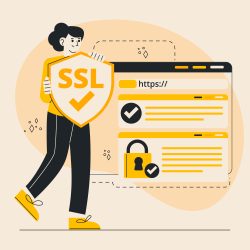
An SSL (Secure Socket Layer) certificate encrypts data shared between your website and its visitors. This means personal details like passwords or payment info are transmitted securely. Reputable web hosting services providers often include free SSL certificates in their plans — something you should never skip.
2. Firewalls and DDoS Protection
A web application firewall (WAF) filters and monitors traffic to block malicious requests, while DDoS (Distributed Denial-of-Service) protection safeguards your site from large-scale traffic attacks.
The best web hosting services include:
-
Built-in firewall protection
-
Automated threat filtering
-
Real-time DDoS mitigation
3. Regular Backups
Backups act as your digital safety net. If your website ever faces data loss, a recent backup allows quick restoration without downtime. A trustworthy web hosting services company provide automated daily or weekly backups and secure off-site storage.
4. Malware Scanning and Removal
Malware can operate silently, damaging your website performance and user safety without visible warning signs. Regular scanning and automatic malware removal help detect threats early. This feature is crucial for maintaining a clean and secure hosting environment — especially for eCommerce or data-heavy sites.
5. 24/7 Monitoring and Technical Support
Cyber threats don’t sleep, and neither should your hosting support team. The best web hosting services include 24/7 monitoring, alert systems, and expert assistance. Responsive support ensures potential issues are resolved before they affect your users.
6. Secure Authentication and Access Controls
Security also depends on who can access your website files. A good web hosting services provider offers multi-factor authentication (MFA), secure password protocols, and user access management to reduce risks from unauthorized logins or internal misuse.
Free vs Paid Hosting: What You Need to Know
It’s tempting to start with free web hosting services, especially for small projects or beginners. However, free hosting often sacrifices security for cost savings.
Most free plans lack:
-
SSL certificates
-
Firewall protection
-
Backup systems
-
Malware defense
-
Priority technical support
This exposes websites to preventable risks.
In contrast, a professional web hosting services company prioritizes performance, privacy, and data protection. Paid plans typically come with advanced secure hosting services, dedicated customer support, and regular software updates. While free options may seem appealing at first, investing in quality hosting pays off in long-term safety and reliability.
Secure your site today — Request a quote now.
How to Choose a Secure Web Hosting Provider?
Selecting the right web hosting services provider is a decision that directly impacts your site’s success. Here’s what to consider:
1. Transparency: Check what security features are included in your plan.
2. Uptime Guarantee: Look for at least 99.9% uptime backed by monitoring tools.
3. Support Availability: Choose a host offering 24/7 technical assistance.
4. Security Add-ons: Features like malware removal, firewall management, and backup automation indicate a strong commitment to safety.
Remember, not all providers are equal. The best web hosting services focus on proactive protection rather than reactive fixes.
Make an informed AI framework choice with our comprehensive Pytorch and Tensorflow comparison guide.
Maintaining Security After Choosing a Host
Even after you’ve selected a reliable web hosting services company, maintaining security requires ongoing effort. Here’s how to stay protected: 
1. Keep your CMS and plugins updated. Outdated software is one of the top entry points for hackers.
2. Use strong passwords and change them periodically.
3. Limit admin access to trusted individuals only.
4. Monitor site activity using built-in tools from your hosting provider.
With a little vigilance and the right secure hosting services, you can keep your website protected against evolving cyber threats.
Conclusion: Security Is Not Optional
As cyber threats grow more advanced and frequent, website security has become a fundamental requirement, not an optional feature. From industry experience, many website failures stem not from poor design but from weak hosting security. Choosing the right web hosting services is ultimately a decision about protecting your operations, maintaining customer trust, and ensuring uninterrupted business continuity.
Whether you’re considering free web hosting services for a small project or investing in a premium infrastructure, prioritize providers that treat security as a core responsibility alongside performance. A dependable web hosting services provider implements strong protection layers, keeps infrastructure updated, and ensures your website remains secure, accessible, and aligned with modern web standards.
“A website is more than an online asset. It represents your brand credibility, customer confidence, and revenue engine. Securing it with a trusted hosting partner is one of the most important long-term decisions you can make.”
Do I need an SSL certificate with my hosting plan?
Yes — SSL secures your website, builds user trust, and is required for better SEO and safe online transactions.
Can I start with a basic plan and upgrade later?
Yes — many hosting providers allow you to start small (shared hosting) and upgrade to VPS, cloud, or dedicated hosting as your website grows.
What type of hosting plan is best for my small or new website?
Shared hosting is often the best choice for small or new websites because it’s affordable and easy to set up.