hello@sofrik.com

E-Commerce Mobile App Security: Risks, Protection & Best Practices

sofrik
4 November 2024


E-commerce mobile app security is essential for protecting customer data, payment information, account credentials, and business systems from security threats. As more customers use mobile apps to browse products, make payments, and manage orders, businesses need security measures that protect the entire application—not just the checkout process.
E-commerce application protection involves multiple layers, including secure authentication, encryption, payment security, API protection, fraud prevention, secure data storage, and regular security testing.
In this guide, we’ll explore the most common e-commerce security issues, important mobile commerce security measures, and best practices businesses can use to build a safer and more trustworthy shopping experience.
Protecting User Data in E-commerce Mobile Apps
One of the primary concerns in e-commerce mobile app development is safeguarding user data. Customers share highly sensitive information such as names, addresses, credit card details, and purchase behavior. Without proper security measures, this data becomes vulnerable to cyberattacks.
A secure app uses advanced encryption protocols and safe storage practices to protect this information. This not only reduces the risk of data theft but also builds confidence among users. Businesses investing in secure mobile app development services can ensure that their applications are built with industry-standard security frameworks from the ground up.
From an EEAT perspective, businesses that demonstrate expertise in data protection and transparent privacy practices are more likely to earn customer trust and authority in their industry.
E-Commerce Application Protection: Key Areas to Secure
E-commerce application protection involves securing every part of a mobile shopping experience, from customer accounts and personal information to payment transactions, APIs, and backend systems. A secure e-commerce application should not rely on a single security feature. Instead, businesses need multiple layers of protection throughout the application lifecycle.
Key areas to consider include:
Customer data protection: Sensitive customer information should be collected, stored, and transmitted securely.
Authentication and authorization: Strong authentication and properly implemented access controls help prevent unauthorized access to customer accounts and sensitive functions.
Payment security: Payment transactions should use secure payment processing methods and appropriate security controls to protect financial information.
API security: APIs connecting the mobile application with backend systems should be properly authenticated, authorized, and protected against unauthorized access.
Secure network communication: Data transmitted between the application and backend services should use secure communication protocols.
Security testing: Regular vulnerability assessments and security testing can help identify weaknesses before they are exploited.
Common E-Commerce Mobile App Security Issues
E-commerce mobile applications handle customer accounts, personal information, payment transactions, and communication with backend systems, making them attractive targets for different types of security threats. Understanding common e-commerce security issues can help businesses identify risks and build stronger protection into their applications.
1. Data Breaches
Poorly protected customer information can expose personal or sensitive data. Businesses should use appropriate access controls, secure storage, and encryption to reduce the risk of unauthorized data exposure.
2. Weak Authentication
Weak passwords, poorly implemented authentication, or inadequate authorization controls can make customer accounts vulnerable to unauthorized access. Strong authentication and properly managed permissions are important parts of mobile app security.
3. Payment and Transaction Fraud
E-commerce applications process financial transactions, making payment security a critical consideration. Secure payment processing and appropriate fraud-prevention measures can help reduce risks associated with unauthorized transactions.
4. Insecure APIs
Mobile applications commonly communicate with backend services through APIs. If APIs are poorly secured, attackers may attempt to access sensitive information or perform unauthorized actions.
5. Insecure Data Storage
Sensitive information stored on a mobile device or backend system needs appropriate protection. OWASP’s mobile security guidance specifically addresses secure storage of sensitive data.
6. Unsecured Network Communication
Data transmitted between an application and its backend should be protected against interception and tampering. OWASP recommends securing mobile application network traffic according to current best practices.
7. Vulnerable Third-Party Components
Outdated libraries, SDKs, and other software components can introduce known vulnerabilities into an application. Keeping dependencies updated and checking them for known vulnerabilities should be part of an ongoing security process.
Enhancing Transaction Security for Better Conversions
Secure transactions are the backbone of any successful e-commerce platform. Users are more likely to complete purchases when they feel their financial information is safe.
Key e-commerce app features that enhance transaction security include:
- SSL certificates
- Secure payment gateways
- End-to-end encryption
- Tokenization
These technologies ensure that sensitive financial data is protected during transactions.
When customers trust your payment system, it directly impacts your conversion rate. Secure apps reduce cart abandonment and increase repeat purchases, making security a key driver of revenue growth.
To implement these features effectively, businesses often rely on custom e-commerce app solutions, ensuring that security is tailored to their platform’s specific needs and customer expectations.
Building Trust Through Secure App Design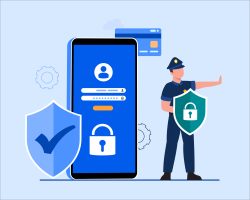
Security is not just a backend feature. It is also a crucial part of user experience and design. A well-structured e-commerce mobile app design includes visible security features such as:
- Two-factor authentication (2FA)
- Secure login systems
- Biometric authentication
- Privacy settings
These elements reassure users that their data is protected.
A secure and user-friendly design enhances trust, which is a critical component of EEAT (Experience, Expertise, Authoritativeness, Trustworthiness). Businesses that prioritize trust see higher engagement and customer retention.
Meeting Compliance and Regulatory Standards
Compliance is a non-negotiable aspect of secure e-commerce mobile app development. Regulations such as:
- GDPR
- CCPA
- PCI DSS
ensure that businesses handle user data responsibly.
Failure to comply can lead to heavy fines, legal issues, and loss of customer trust. On the other hand, compliance strengthens your brand’s credibility and positions your business as a trustworthy platform.
Key Benefits of Security in E-commerce Mobile Apps
Investing in secure e-commerce mobile apps offers long-term advantages beyond just data protection.
1. Enhanced User Trust
Users feel confident when their data is secure, leading to higher engagement and loyalty.
2. Fraud Prevention
Advanced security systems detect and prevent unauthorized activities, saving businesses from financial losses.
3. Improved Brand Reputation
A secure app builds authority and trustworthiness, which aligns with Google’s EEAT guidelines.
4. Reduced Risk of Data Breaches
Encryption and monitoring systems significantly lower the chances of cyberattacks.
5. Better User Experience
Security features ensure smooth and uninterrupted transactions, improving overall satisfaction.
Take your ecommerce business to the next level?
Advanced Security Measures Every E-commerce App Should Have
To stay competitive, businesses must go beyond basic security and implement advanced strategies such as:
- AI-based fraud detection
- Regular security audits
- Penetration testing
- Real-time threat monitoring
These measures ensure that your app is always protected against evolving cyber threats.
| Security area | What to check |
|---|---|
| Authentication | Strong authentication and authorization |
| Data | Encryption and secure storage |
| Payments | Secure payment gateway and transaction handling |
| APIs | Authentication, authorization and validation |
| Network | HTTPS and secure communication |
| Privacy | Appropriate data collection and privacy controls |
| Testing | Vulnerability assessment and penetration testing |
| Monitoring | Suspicious activity and fraud monitoring |
| Updates | Dependencies and security patches |
| Compliance | Applicable industry and privacy requirements |

Common Questions About E-commerce App Security
1. Why is security important in e-commerce mobile apps?
Security protects sensitive user data and ensures safe transactions, which builds trust and increases conversions.
2. What are the must-have security features?
Encryption, secure payment gateways, 2FA, and compliance with data protection laws.
3. How does security impact business growth?
Secure apps improve user trust, reduce fraud, and increase customer retention, leading to higher revenue.
Conclusion: Security Is No Longer Optional
In today’s digital-first world, security in e-commerce mobile apps is not just a feature—it is a necessity. Businesses that invest in secure mobile app development not only protect their users but also gain a competitive advantage.
Security should be considered from the planning and architecture stage rather than added after development. For businesses building an e-commerce mobile application, this means defining data protection requirements, authentication methods, payment flows, API security, testing procedures, and compliance considerations before the app goes live.
Sofrik develops web and mobile solutions with security, scalability, performance, and business requirements in mind. Our development approach can be tailored to the specific needs of an e-commerce application, from customer-facing experiences to backend integrations and payment workflows.
To create a secure and reliable app, now is the time to invest in the right technology and expertise. Speak to our experts and secure your app today!
Can you integrate secure payment gateways into my app?
Yes, we integrate trusted payment gateways with advanced encryption and PCI-DSS compliance.
This ensures safe, seamless, and fraud-protected transactions for your users.
Can I customize security features based on my business needs?
Yes, we offer fully customized security solutions tailored to your business model and user requirements. Our approach ensures the right balance between protection, performance, and user experience.
What Is the Most Secure Mobile Commerce Software?
There is no single mobile commerce platform that is automatically the most secure for every business. Security depends on how the application is designed, how customer and payment data are protected, how authentication and APIs are implemented, and how regularly the application is tested and maintained. Businesses should evaluate security architecture, payment handling, data protection, authentication, compliance requirements, and ongoing security monitoring when selecting or developing mobile commerce software.